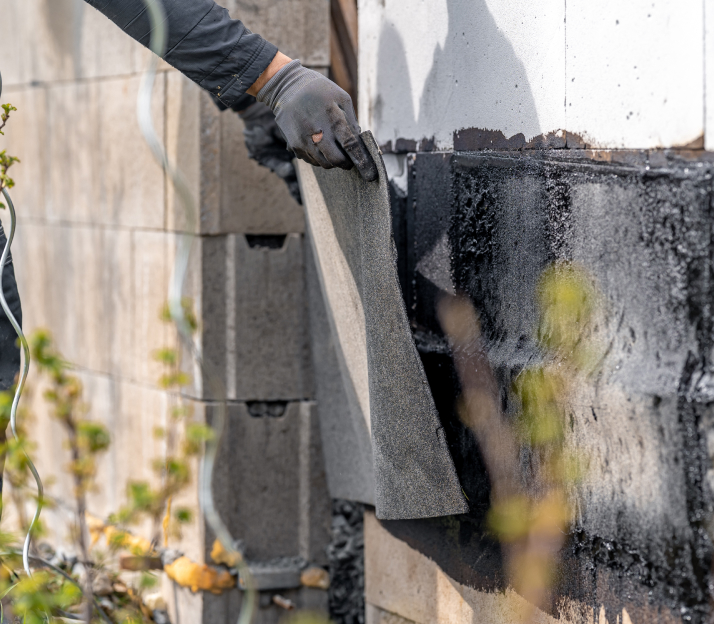
When it comes to maintaining the structural integrity of a building, basement waterproofing is a critical consideration. External basement waterproofing is a proactive approach that ensures the longevity of a property by preventing water intrusion from the outside. This method focuses on creating a barrier around the building?s foundation, keeping water at bay before it has a chance to enter. Understanding the nuances of external basement waterproofing can be pivotal for homeowners and building managers looking to protect their investments from water damage.
What is External Basement Waterproofing?
External basement waterproofing, also known as exterior waterproofing, involves applying waterproof materials and systems to the outside walls of a basement. This comprehensive method is designed to prevent water from permeating the structure, effectively shielding it from potential damage. Unlike interior waterproofing, which deals with water that has already penetrated the foundation, external methods focus on stopping water at its source.
Key Components of External Waterproofing
The process typically includes the following steps:
- Excavation: Digging around the foundation to expose the basement walls.
- Cleaning: Removing dirt, debris, and any old waterproofing materials from the walls.
- Repair: Fixing any cracks or damage in the foundation walls to ensure a smooth surface.
- Application: Applying a waterproof membrane or coating to the foundation walls.
- Drainage: Installing drainage systems such as French drains to redirect water away from the foundation.
For those interested in learning more about external waterproofing techniques, discover expert strategies here.
Benefits of External Basement Waterproofing
External basement waterproofing provides numerous advantages that contribute to the overall health and safety of a building:
- Prevention of Structural Damage: By stopping water infiltration at its source, this method helps avoid common issues like foundation cracks and wall bowing.
- Mold and Mildew Control: Keeping moisture out significantly reduces the risk of mold growth, which can impact indoor air quality and health.
- Increased Property Value: A well-maintained, dry basement can enhance the value of a property, making it more attractive to potential buyers.
- Energy Efficiency: A dry basement contributes to a more stable indoor environment, potentially reducing energy costs associated with heating and cooling.
Considerations for Effective Waterproofing
When planning an external waterproofing project, several factors should be taken into account:
- Climate: The local climate will influence the choice of materials and techniques. In areas with heavy rainfall, more robust systems might be necessary.
- Soil Conditions: The type of soil around the foundation can affect water drainage and should be considered when designing the waterproofing system.
- Building Age and Condition: Older buildings may require additional repairs and reinforcements before waterproofing can be effectively applied.
For tailored solutions that take these factors into account, learn about our tailored solutions.
Choosing the Right Waterproofing Professionals
Selecting the right professionals to handle external basement waterproofing is crucial for ensuring a successful outcome. Consider the following when making a choice:
- Experience and Expertise: Look for professionals with a proven track record in external waterproofing projects.
- Comprehensive Services: Ensure the chosen company offers a full range of services, from assessment to installation and maintenance.
- Client Reviews and Testimonials: References from previous clients can provide insight into the quality of work and customer satisfaction.
For those seeking more information on expert services and guidance, explore advanced guides and tips.
Conclusion
External basement waterproofing is an invaluable investment for preserving the integrity and value of a property. By understanding the process, benefits, and considerations involved, homeowners and property managers can make informed decisions that protect their buildings for years to come. For further details on implementing these strategies, find out more about this approach.
